
Introduction
If you’re interested in dietary supplements, you know that the ingredient list is where the real story begins. Sure, marketing promises can sound convincing, and before-and-after photos can be jaw-dropping, but at the end of the day, it’s the actual ingredients that decide whether a supplement is grounded in science—or just hype.
This truth rings especially loud for products promising to support lymphatic health, help balance fluids, or minimize water retention.
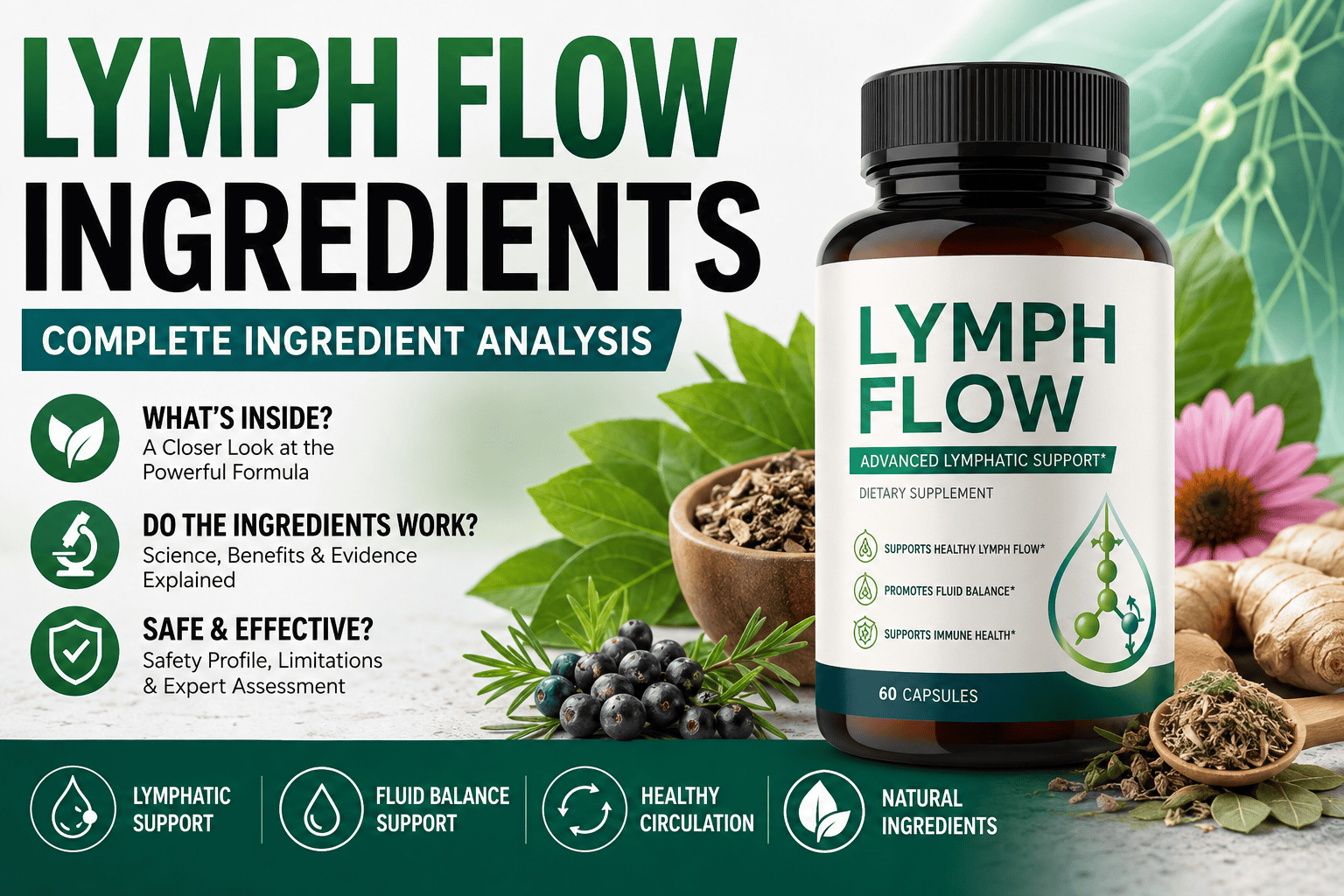
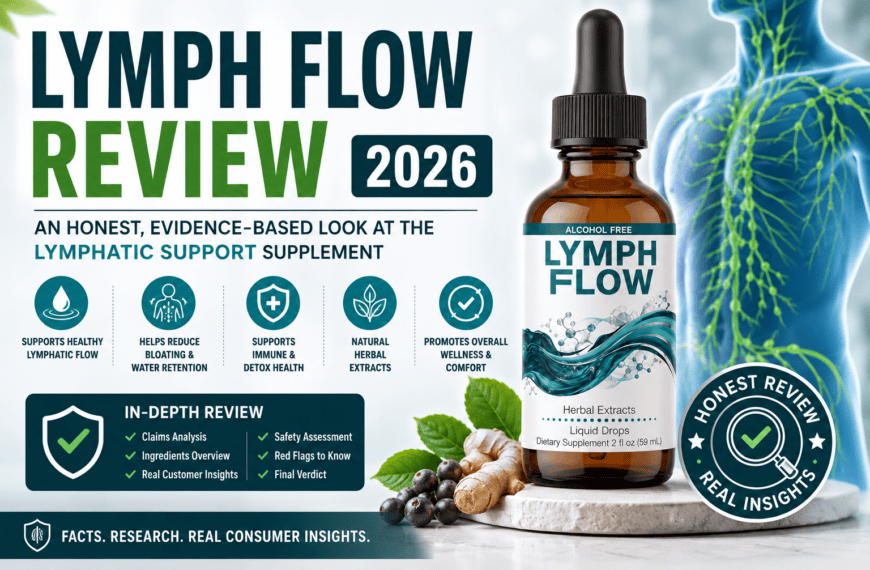
If you’re digging into the details behind Lymph Flow Ingredients, you’re probably hoping to answer some crucial questions:
- What’s actually in this formula?
- Why were these specific ingredients chosen?
- Do they back up what the product claims to do?
- Is there any real scientific logic behind the formula?
- Are these ingredients typical for lymphatic-support supplements?
- And are they actually safe for most healthy people?
These are the right questions to ask—especially since the wellness supplement world is notorious for flashy marketing and not-so-transparent labels.
So, let’s put the marketing aside for a minute. In this evidence-based breakdown, we’ll explore the most common Lymph Flow ingredients, the reasons they’re included, the science (or lack thereof) that backs them up, and what you should realistically expect from the formula.
Our focus? Empowering you with the facts so you can make a truly informed decision.
Why Ingredients Matter More Than Marketing
Here’s a common pitfall: People often judge supplements by their marketing alone.
You’ll see bold ads touting benefits like:
- Less bloating
- Enhanced drainage
- Healthier circulation
- Detoxification
- Better fluid balance
But these promises mean very little if the ingredient label doesn’t back them up.
A truly solid supplement formula comes down to a few key things:
- Transparency: You should always know what you’re putting into your body.
- Logical Ingredient Choices: The components should make sense given the supplement’s goals.
- Scientific Plausibility: The formula should have some real biological basis.
- Realistic Expectations: The promised results should match what the ingredients can actually deliver.
This is why taking a close look at the Lymph Flow ingredients gives you genuine insight into whether the supplement’s marketing stands on solid ground.
What’s the Real Goal of the Lymph Flow Formula?
Before we zoom in on individual ingredients, let’s ask: What is this supplement actually trying to do?
Unlike your standard “fat burner,” Lymph Flow is all about:
- Supporting the lymphatic system
- Balancing fluids
- Managing water retention
- Promoting circulation
- Optimizing overall wellness
That means you should expect ingredients linked to:
- Herbal wellness
- Antioxidant effects
- Circulatory support
- Natural fluid balance
- Botanicals with a history of traditional use
If you’re hoping for a stimulant-packed, fat-burning punch, this probably isn’t the product for you. Lymph Flow takes a different approach.
So… What Kind of Formula Is Lymph Flow?
Most supplements in the lymphatic-support category share some common threads. They tend to blend together:
- Botanical Extracts: Plant-based ingredients often tied to circulation and wellness.
- Antioxidants: These help tackle oxidative stress and support overall health.
- Traditional Herbal Ingredients: Plants with a long history in wellness traditions.
- Fluid-Balance Supporters: Ingredients typically found in products targeting water retention.
The big picture? These formulas aim to nudge your body’s natural processes—not force big, dramatic changes overnight.
How We’ll Evaluate Each Ingredient
To keep this review fair and grounded, let’s use a clear framework for each ingredient:
- What Is It? — Where does the ingredient come from?
- Why Is It Included? — What role is it supposed to play in the formula?
- What Does Research Suggest? — What (if any) science backs it up?
- What Are the Limitations? — Where does the evidence fall short?
This way, we can separate genuine facts from marketing fluff.
Botanicals: The Backbone of Lymphatic-Support Formulas
Many supplements in this space lean heavily on plant-based ingredients.
Why? Because these botanicals have often been used for generations in traditional wellness practices.
Of course, just because an herb has a long history doesn’t mean it’s been proven by modern science. But tradition often shapes what ends up in your supplement bottle.
Antioxidants: A Recurring Theme
If you peek at lymphatic-support products, you’ll spot plenty of antioxidants. Why? Because oxidative stress is a big buzzword in the wellness world.
Antioxidants work by neutralizing free radicals—those unstable molecules that can cause cellular damage over time.
Supplement makers often tout antioxidant ingredients as key for:
- Cellular health
- Supporting recovery
- General wellness
But don’t make the mistake of thinking antioxidant-rich formulas are miracle workers. While they’re important, they’re not magic bullets for visible results.
Circulation: The Overlapping Focus
Lymphatic health and good circulation go hand-in-hand. That’s why you’ll often see ingredients aimed at:
- Supporting blood flow
- Promoting vascular health
- Enhancing circulatory function
The logic? Better circulation may help with fluid movement and overall comfort. But again, don’t expect extreme overnight changes—these are gentle supports, not quick fixes.
Plant-Based Wellness: The Natural Angle
Many people are drawn to supplements that highlight plant-based or “natural” ingredient lists, and Lymph Flow certainly fits that bill.
Cited benefits of this approach include:
- A long history of traditional use
- Ingredients from familiar plants
- A focus on wellness—not weight loss
Still, it’s important to remember: “Natural” doesn’t always mean “better,” “safer,” or “well-studied.” Each ingredient needs its own careful evaluation.
What Makes a Good Ingredient for Lymphatic Support?
A smartly crafted formula should genuinely support its stated goal. For lymphatic-support supplements, that means ingredients aimed at:
- Promoting fluid balance (helping your body handle water in a healthy way)
- Supporting overall wellness
- Boosting comfort (especially for those dealing with occasional bloating)
- Encouraging healthy circulation
- Providing antioxidant protection (for cellular health)
These targets fit much more with the “wellness” category than with aggressive weight-loss claims.
The #1 Mistake People Make Reading Supplement Labels
A lot of folks glance at the ingredient list and immediately wonder: “Will this help me lose weight?”
For a product like Lymph Flow, that’s not really the right question.
Instead, you should be asking:
- Does this formula support normal fluid balance?
- Are these ingredients actually relevant to lymphatic health?
- Does the formula make logical sense?
- Are my expectations in line with what the ingredients can actually do?
Looking at the formula through the right lens helps you make smarter choices.
Can Ingredients Alone Guarantee Results?
Short answer? No.
Even the best ingredients can’t promise specific results for everyone. Your experience will depend on things like:
- Your diet (especially how much sodium you eat, which can affect water retention)
- How much water you drink
- How active you are (movement helps circulation and lymphatic function)
- How well you sleep
- Your unique biology
That’s why it’s better to think in terms of what’s probable—not what’s promised.
What Does Science Actually Say?
Research generally supports a few big ideas related to lymphatic and fluid health:
- Regular physical activity helps keep fluids moving.
- Good hydration supports the body’s natural processes.
- A nutrient-rich diet can influence inflammation and recovery.
- Overall wellness is the result of many systems working together.
So, even a well-crafted supplement works best when paired with healthy lifestyle habits.
Are Lymph Flow Ingredients Really Unique?
Here’s a smart question to ask: Is this formula truly one-of-a-kind?
Truth is, most wellness supplements don’t rely on totally new ingredients. Instead, they mix and match:
- Plant extracts
- Antioxidants
- Traditional herbs
- Other wellness compounds
The formula’s uniqueness usually comes from:
- Which ingredients are chosen
- How much of each is included
- The overall design
- How it’s marketed
Just because a formula is “proprietary” doesn’t mean it’s better. It just means the blend is unique to that brand.
Why Ingredient Transparency Is Essential
Transparency is a cornerstone of quality when it comes to supplements.
You deserve to know:
- Exactly what’s inside
- Why each ingredient is there
- How it fits the product’s goals
A transparent label lets you do your homework—researching ingredients, checking safety, and comparing products—so you can buy with confidence.
First Impressions: Assessing Lymph Flow’s Ingredients
Given Lymph Flow’s stated purpose, it’s clear that the formula is built to support:
- Lymphatic health
- Fluid balance
- Circulation
- Overall wellness
This is more about managing water retention than directly burning fat. So, it’s crucial to judge the ingredients by what they’re actually meant to do—not by unrelated expectations.
If you’re hoping for aggressive fat loss, you’ll want a totally different kind of product. But if supporting your body’s fluid balance and wellness is your goal, this formula seems to be in the right ballpark.
Key Takeaways So Far
Looking at the bigger picture, a few things stand out:
- ✔ The formula centers on lymphatic support, not fat burning.
- ✔ Ingredient evaluation should focus on wellness and fluid balance, not weight loss.
- ✔ Your lifestyle habits still play a huge role.
- ✔ Take marketing claims with a grain of salt—always check the ingredient evidence.
- ✔ Transparency and realistic expectations are more important than hype.
A Closer Look at the Formula’s Strategy
A key part of assessing Lymph Flow Ingredients is understanding that this isn’t a “catch-all” wellness product—it’s targeting a specific physiological goal.
It seems to revolve around three main ideas:
1. Helping With Healthy Fluid Movement
The first goal is keeping your body’s fluids in balance. That matters because when you retain water, you might feel:
- Puffy
- Bloated
- Heavy
- Frustrated by sudden weight fluctuations
Many of the botanicals you’ll see here are chosen specifically for their traditional ties to healthy fluid management.
2. Supporting Circulation
Next up: circulation. Healthy blood flow and lymph function work together, so many formulas include ingredients that support:
- Vascular health
- Blood flow
- Overall circulatory wellness
Again, don’t expect dramatic short-term changes—these ingredients are here to encourage your body’s normal rhythms.
3. Boosting Recovery and Wellness
Finally, the formula brings in ingredients picked for:
- Antioxidant activity
- Cellular support
- General wellness
This broader approach is popular because many supplement makers see lymphatic health as part of your body’s overall wellness ecosystem.
Do the Ingredients Actually Match the Marketing?
Here’s a question every smart consumer should ask: Does the formula reflect what the product promises?
For Lymph Flow, the answer looks like a yes. The marketing talks about:
- Fluid balance
- Lymphatic support
- Water retention
- Overall wellness
And the ingredient philosophy generally matches those goals. That’s a good sign—because sometimes, supplements make claims their formulas can’t possibly support. But remember: alignment doesn’t guarantee effectiveness—it just means the formula and the messaging are in sync.
Ingredient Strengths
There are some definite strengths to how lymphatic-support supplements—like Lymph Flow—are put together.
Botanical Focus
A lot of people appreciate formulas that are centered around plant-based ingredients. Botanicals often come with:
- A long track record in traditional health practices
- Versatility for general wellness
- Ingredients that are familiar and recognizable
While tradition isn’t the same as proof, it does make many consumers feel more confident in what they’re taking.
Non-Stimulant Approach
Unlike most weight-loss supplements, lymphatic-support formulas usually skip harsh stimulants. That can be a huge plus if you:
- Are sensitive to caffeine
- Prefer a gentler experience
- Want wellness support without feeling jittery or wired
For some, this is a deciding factor.
Wellness-Oriented Positioning
This kind of formula isn’t promising a miracle—it’s aiming to support your body’s natural processes. That’s a more sustainable angle, and it’s a lot closer to what most people can (and should) expect from a supplement.
Ingredient Limitations
No review is balanced without pointing out the limitations.
Scientific Evidence Can Be Limited
Plenty of botanicals have encouraging research, but robust clinical studies (especially on proprietary blends) are rarer than you might think. This is just the reality of the supplement world.
It’s important to understand the difference between:
- Evidence supporting an ingredient
- Evidence supporting a specific supplement product
Those aren’t necessarily the same thing.
Individual Results Will Vary
Even if the ingredient list checks out, everyone responds differently. Your experience depends on:
- Age
- Activity level
- Diet
- Hydration
- Health conditions
- Genetics
There’s no one-size-fits-all result, no matter how well-formulated the product is.
Expectations Can Get Out of Hand
Marketing can make you believe in quick fixes and dramatic changes. But that’s not really what these types of ingredients are designed to deliver.
Safety Considerations
It’s natural to wonder, “Are these ingredients actually safe?”
For most healthy adults, wellness-oriented botanicals are generally well tolerated when used as directed. But, as with all supplements, there are important considerations.
Existing Medical Conditions
If you have underlying health issues, tread carefully. Some conditions can affect:
- Fluid retention
- Blood flow
- How your body responds to supplements
If you have any medical concerns, always check with your healthcare provider before starting something new.
Medication Use
Some botanicals may interact with prescription meds, especially those for:
- Blood pressure
- Fluid balance
- Heart health
If you’re taking medication, scan the ingredient list and talk to a professional.
Pregnancy and Breastfeeding
Just because something is natural doesn’t mean it’s automatically safe during pregnancy or breastfeeding. Always get professional advice.
The Biggest Misunderstanding About Lymph Flow Ingredients
There’s a stubborn myth out there: If an ingredient is natural, it must work and it must be safe.
But the truth is, an ingredient can be:
- Natural
- Traditional
- Popular
…and still not have solid scientific evidence for a specific health claim.
On the flip side, an ingredient might be well-researched but only deliver subtle, modest effects.
The best move? Evaluate each one based on the actual evidence—not just reputation or tradition.
Can These Ingredients Actually Help With Water Retention?
Let’s tackle the core question: Do they really work for water retention?
If your goal is:
- Supporting normal fluid balance
- Addressing occasional bloating
- Improving comfort
…then yes, the ingredient strategy makes sense for those aims. Just be realistic—don’t expect miraculous fluid shedding overnight.
Remember, water retention can be caused or worsened by:
- High sodium intake
- Hormones
- Poor sleep
- Low activity
- Medical conditions
No supplement can override these factors on its own.
Do These Ingredients Help With Weight Loss?
This is where you’ll want to adjust your expectations. Lymph Flow isn’t designed to burn fat directly. Instead, its focus is on:
- Wellness
- Fluid balance
- Lymphatic health
If fat loss is your main goal, you’ll want a supplement that takes a totally different approach (think: thermogenesis, appetite suppressant, or metabolism boosters).
Lymph Flow versus Traditional Fat Burners
Fat burners often rely on ingredients that ramp up:
- Energy
- Metabolism
- Appetite suppression
- Heat (thermogenesis)
Lymph Flow, on the other hand, is more about:
- Fluid management
- Lymphatic support
- General wellness
- Circulatory health
It’s a completely different philosophy—so don’t expect the same kinds of results.
What Should You Look For On the Label?
Before you buy, here’s what to check for:
- Full ingredient disclosure (no mystery blends)
- Serving size (so you know what you’re actually getting)
- Manufacturer info (transparency builds trust)
- Supplement facts panel (lets you research each ingredient yourself)
- Claims language (be wary of promises that sound too good to be true)
What Evidence Limitations Should Consumers Understand?
A responsible review means acknowledging what we don’t know:
- Research is often preliminary—some botanicals look promising, but more studies are needed.
- Human studies can be limited—not every ingredient has been tested on real people.
- Full formula studies are rare—just because individual ingredients look good doesn’t mean the whole blend will work the same way.
- Wellness is multi-factorial—no supplement works in a vacuum.
Being aware of these limits helps you keep your expectations in check. Lymph Flow Ingredients
Expert Assessment of Lymph Flow Ingredients
So, after all this analysis, what’s the verdict?
- The formula seems well thought-out—the ingredient choices match up with the product’s stated goals.
- The marketing is consistent—it’s about fluid balance and lymphatic support, not fat burning.
- Keep your expectations realistic—you’re not likely to see dramatic changes from the ingredients alone.
- Lifestyle habits are still key—hydration, movement, nutrition, and sleep matter just as much (if not more).
Bottom line? This ingredient approach makes much more sense as a wellness support formula than as a rapid weight-loss solution.
Final Verdict: Lymph Flow Ingredients
After taking a close look at the available details, it’s clear that the Lymph Flow Ingredients formula is genuinely trying to do what it claims: help with
- Lymphatic health
- Fluid balance
- General wellness
- Circulation
—not rapid fat loss.
That’s important, because it helps you evaluate the product fairly and set the right expectations.
The main strength here is the way the formula’s ingredient philosophy lines up with the marketing. The main limitation? Some people may still hope for more dramatic results than what these ingredients can realistically provide.
Overall, this product is best suited for people wanting support for water balance and overall well-being—not for those seeking a quick route to weight loss.
BurnVerify Ingredient Assessment:
The Lymph Flow Ingredients formula appears thoughtfully constructed for lymphatic support. Still, consumers should keep expectations realistic about the size of any potential results.
🧪 So, Are The Lymph Flow Ingredients Worth Considering?
After reviewing the ingredient profile, our conclusion is simple: the formula appears better suited for individuals interested in lymphatic support, fluid balance, and water-retention management than those seeking rapid fat loss. Before making a decision, review the official information and compare it with our independent research.
Disclosure: BurnVerify may earn a commission if you purchase through our links. This does not influence our research, analysis, or editorial conclusions.
Frequently Asked Questions About Lymph Flow Ingredients
What are Lymph Flow Ingredients designed to do?
The ingredients are mainly there to support your lymphatic system, help balance fluids, promote circulation, and support your general well-being—not to directly burn fat.
Do Lymph Flow Ingredients burn fat?
No, the formula is focused on lymphatic support and fluid regulation, not traditional fat-burning.
Can the ingredients help with bloating?
Some people may find the ingredients helpful for occasional bloating and water retention, but results can differ from person to person.
Are Lymph Flow Ingredients natural?
Yes, the formula is generally built around botanicals and wellness-oriented ingredients. Still, always check the supplement facts for the full list.
Are the ingredients scientifically proven?
Some ingredients do have research behind them, but not all formulas are extensively tested in clinical trials.
Who should review the ingredient list carefully?
Anyone with medical conditions, those who are pregnant or breastfeeding, or anyone on prescription medication should always check with a healthcare professional before starting a new supplement.

 By
By

 By
By